
Econ記者
Yellen又說了甚麼? — Jackson Hole 2016
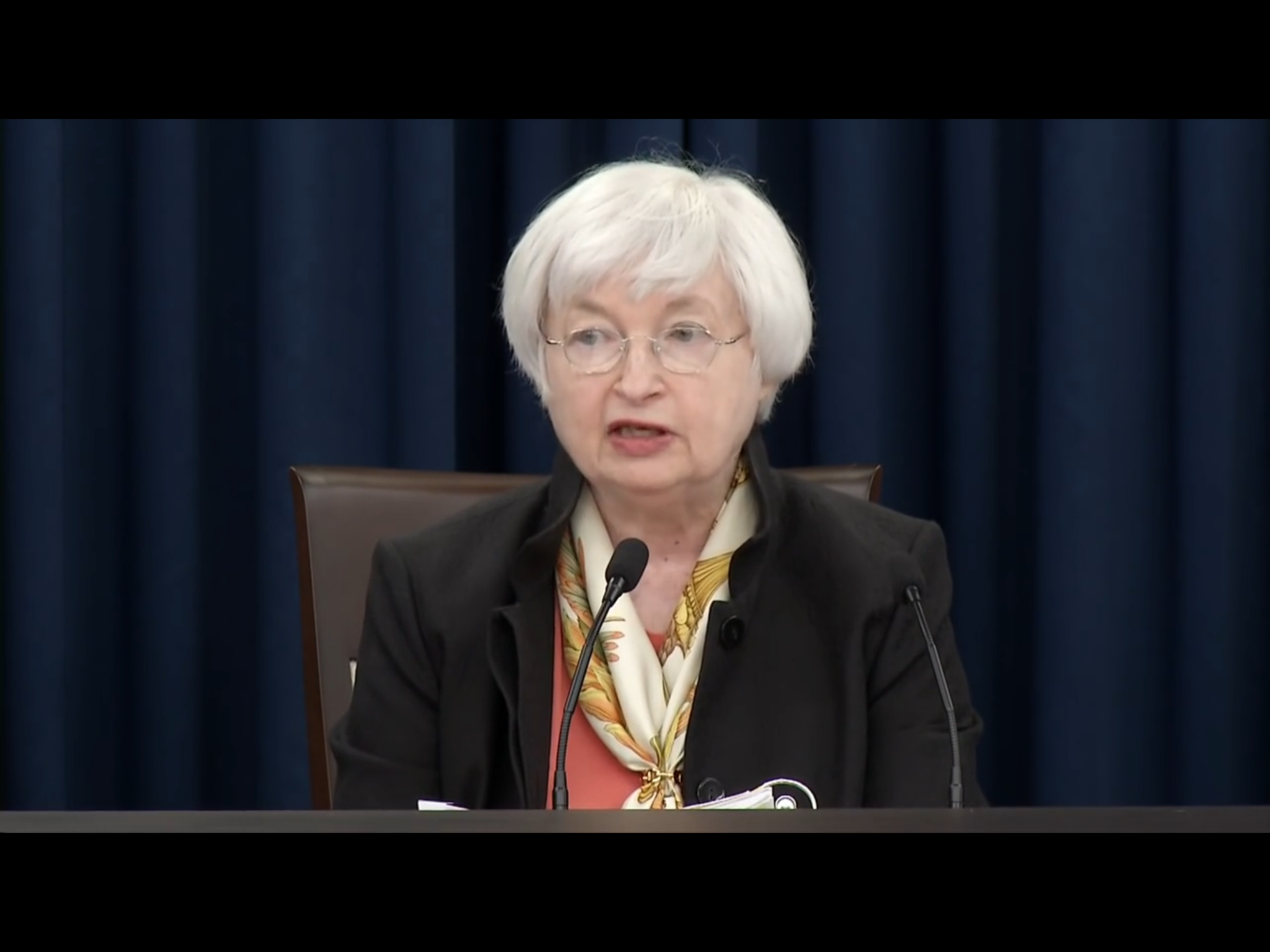
聯儲局主席Yellen的Jackson Hole年會講話終於來了,而她亦不負市場預期,為炒作加息提供了更多綫索,最重要的她指出:「近幾個月來,加息的理由愈來愈強。」
...in light of the continued solid performance of the labor market and our outlook for economic activity and inflation, I believe the case...
Helicopter Money是甚麼? — 同QE有何分別?
本文為《Helicopter Money是甚麼》系列第三回,讀者可先行閱讀之前兩篇:
1) 《Helicopter Money的歷史演化》
Helicopter Money是甚麼? --- Helicopter Money的歷史演化 | EconReporter近幾個月最多人談論的經濟刺激政策,已經由負利率變成Helicopter Money,本文就作一系列的整理文章,探討甚麼是Helicopter Money。
2) 《Helicopter Money的實際運作》
Helicopter Money是甚麼? - Helicopter Money的實際運作 | EconReporter
前文引述Cecchetti及Schoenholtz的資產表例會子可謂相當煩複,但其實是有一個重要的解述作用,但之後再談,我們先要討論Helicopter Money與Quantitive Easing是否有分別。
其實經過前文的大量論述,可以見到一個明顯分別,是QE只為純然的貨幣政策操作,而Helicopter Money則有財政政策的參與。
QE是央行透過增發銀行儲備,向銀行及金融系統購入包括國債在內的資產,但財政部不會因而增加財政開支及發行更多債券。如用資產負債表來看,在QE時就只有央行的資產負債表有變化,即是央行的資產一方會有更多國債,而負債則多了一批相等金額的銀行儲備;而在財政部的資產負債則無任何變化。
問題是,效用上兩者有大分別嗎?
前文都講過,伯南克在2002年演講中指出,QE的目標效用為透過買入中長期國債,壓低長債利率以刺激經濟內的整體需求,故此在這裏刺激需求的的責任落在利率及信貸增長上。但Helicopter Money則是一個財政政策為本的措施,是以直接增加政府開支作為刺激工具,而刺激的成效就要視乎所謂的Fiscal...
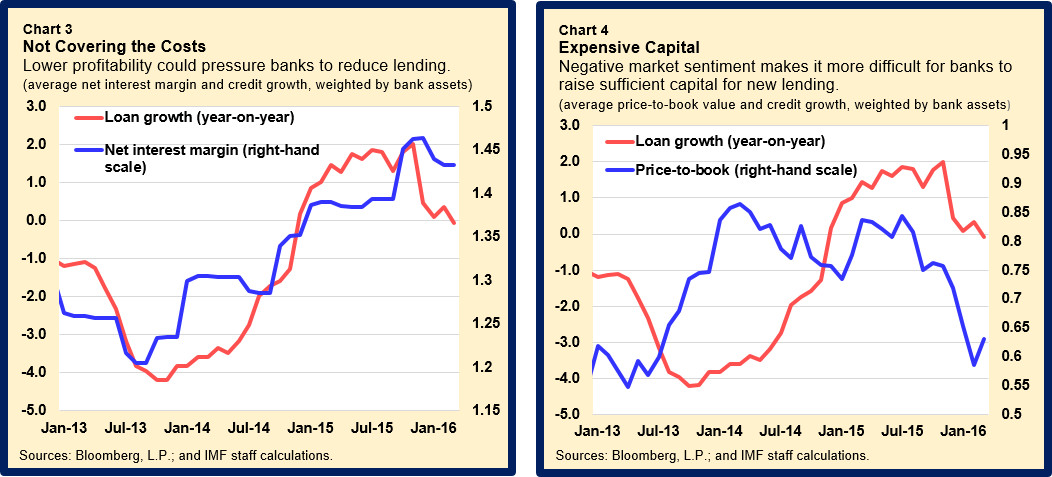
IMF: 歐央行的負利率有效 但是….
IMF早前的一篇網誌,指歐央行的負利率政策有一定效用。
Embed from Getty Images
這篇網誌引述IMF自家的研究,指負利率成功降低銀行的貸款成本,令金融市場更為寬鬆;負利率亦強化歐央行前瞻指引的功效,亦令到企業及家庭可以用更低的成本借錢,有助提高通脹及經濟增長。
但IMF提醒,負利率的功效會遞減,因為銀行未必可以跟隨調低貸款成本至負數,所以建議歐央行在未來多著重利用QE等資產購買計劃來刺激經濟。
參考報道:The ECB’s Negative Rate Policy Has Been Effective but Faces Limits via Econ記者

John Cochrane on “FTPL and the State of Macroeconomics” | #WITGT21
This is the fourth installment of our interview series “Where is the General Theory of the 21st Century?”
In this article, we continue our discussion...
John Cochrane on What is Neo-Fisherian? | #WITGT21
Welcome! This is the third installment of our interview series “Where is the General Theory of the 21st Century?”
“Where is the General Theory of...
Scott Sumner on Market monetarism and Macroeconomics after the Great Recession | #WITGT21
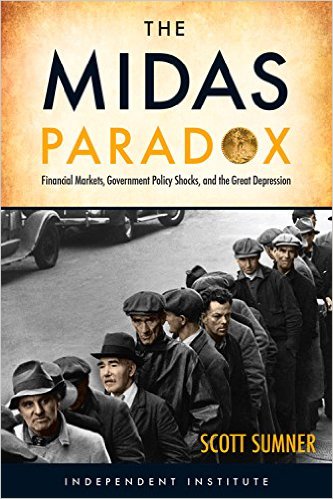
In this interview, Prof. Sumner talked about his view on why there is no "Keynesian Revolution" in macroeconomics after the Great Recession and what is Market Monetarism. You can also read the Part I of the interview, where Prof. Sumner discussed the findings from his new book, The Midas Paradox and his views on what caused the Great Depression.